Frieze is Cool

James writes:

When old timers like Holland Cotter and Peter Schjeldahl are grumbling about art fairs, it's time to give the art fair another look. Through Monday, the organizers behind London's Frieze Art Fair decided to take on The Armory Show and March's "art fair week" with a New York appearance that aims to push the reset button on what an art fair can be. 

IMAG0680

Can you hear me now? Here's the view from the line for the special ferry to Frieze at 35th Street and the East River, with functioning jackhammer a mere ten feet away.
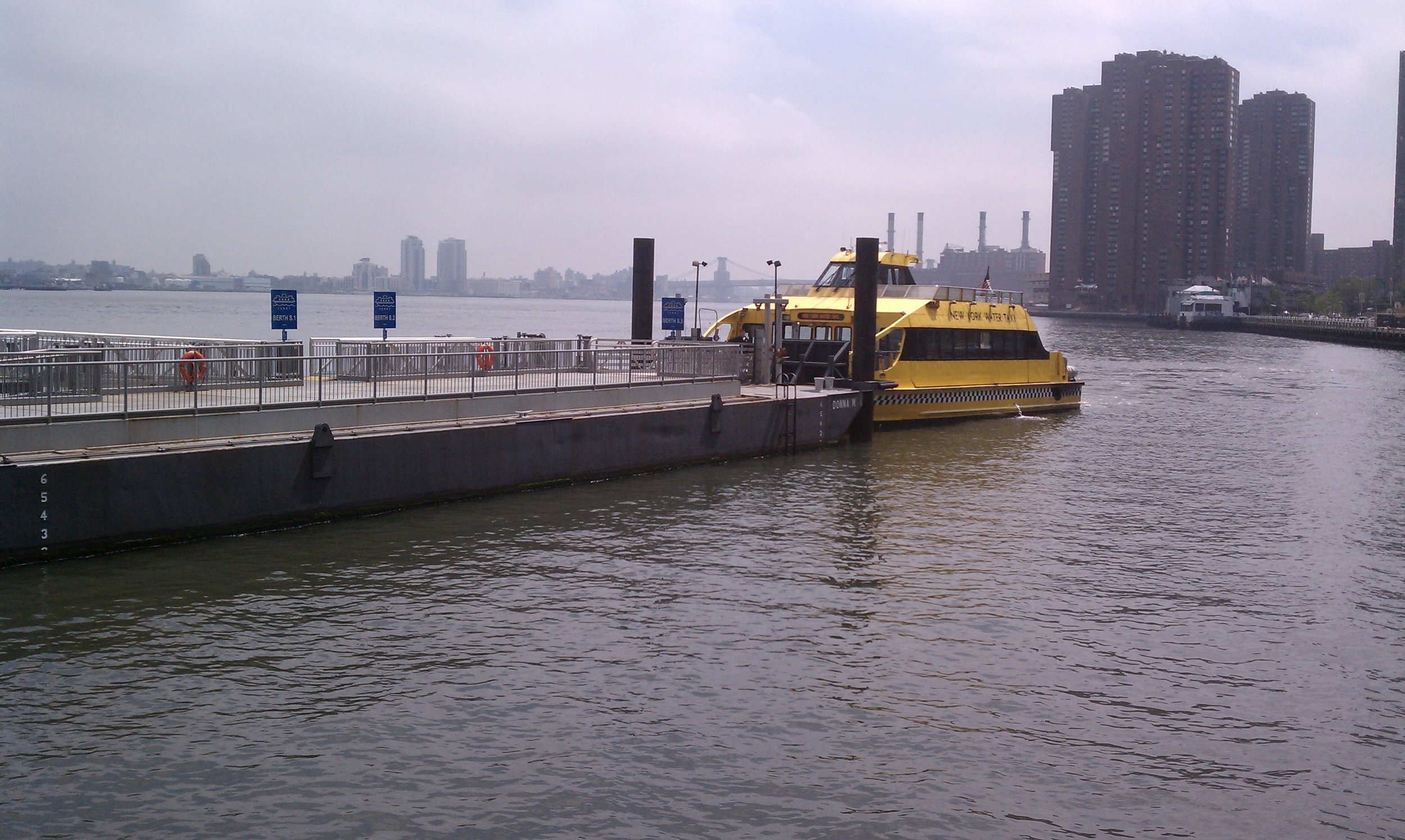
 

IMAG0681

Located on Randall's Island, the Frieze fair is an advertisement for New York's great waterways. No surprise that Mayor Bloomberg has been Frieze big booster and was seen taking his time at the opening. 


IMAG0682

Here is the Frieze water taxi, which is like The Circle Line for Eurotrash. Take me to the Giardini!
IMAG0683

No art fair offers a more curated experience than Frieze, from its stripped-down website to its (supposed) advanced ticketing requirement.

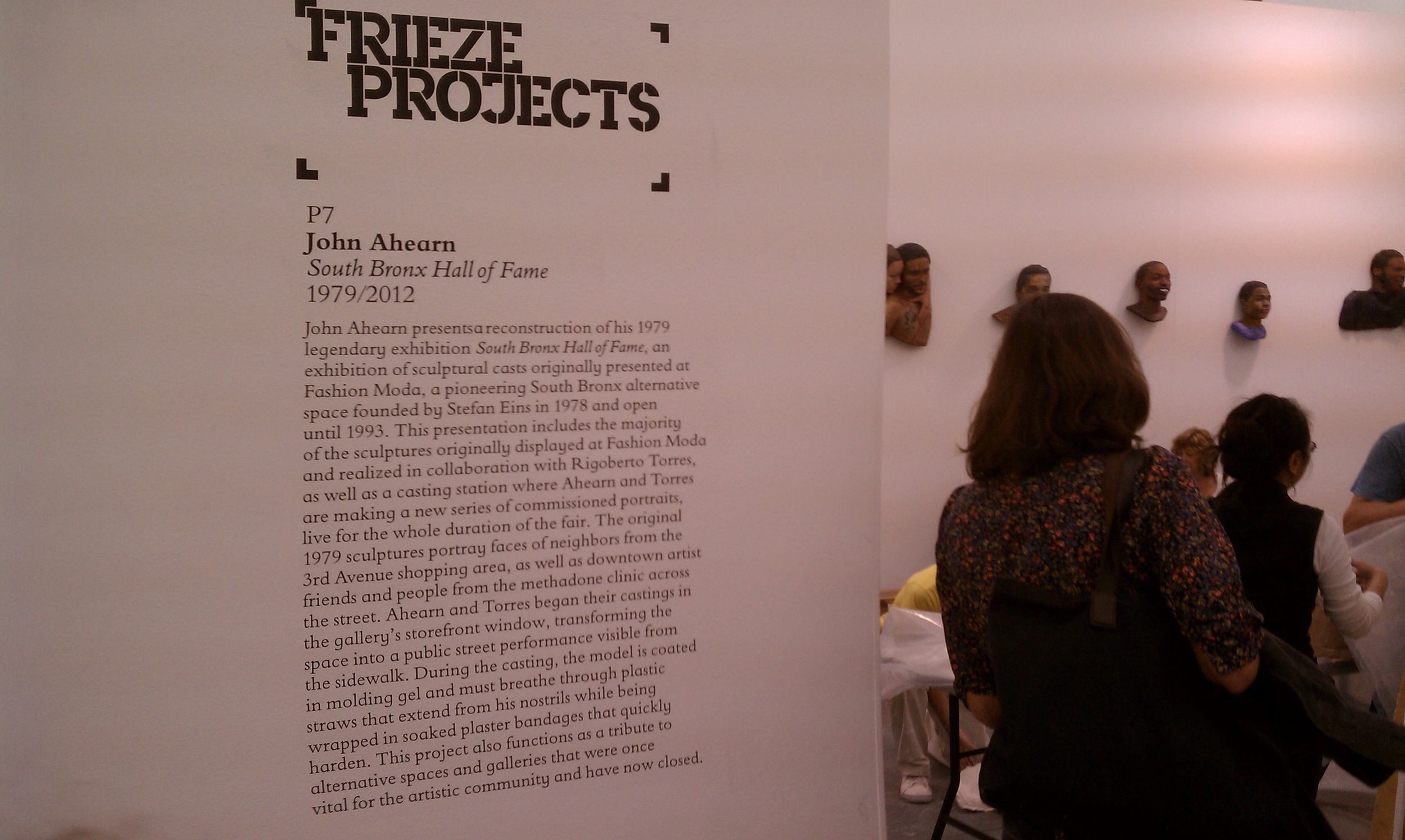
Here is John Ahearn's South Bronx Hall of Fame (1979/2012), in which the artist produces casts of fair goers in homage to the 1979 sculptures he made in the South Bronx. This project space, which "functions as a tribute to the alternative spaces and galleries that were once vital for the artistic community but have now closed," reminds fairgoers there's more to art than commerce. I would have liked to have seen even more of them.


IMAG0685

The Frieze tent, designed by the Brooklyn architectural firm SO-IL, maximizes natural light while also employing special lamps. Frieze feels like being inside an iPad. The cool factor may be why Gagosian made its first New York art fair appearance at Frieze as one of the 180 exhibiting galleries--but couldn't its sign above have just said "the universe"?


IMAG0686

"Sometimes you feel like a nut." Frieze wasn't free of attention-grabbing gimmicks. Here is a mannequin nut-cracker...


IMAG0687

....but for the most part the fair played it cool. If the Armory Show was all flash, Frieze is all texture. The concrete sculptures above, which must be anchored to the earth through holes cut in the plywood floor, probably never looked better. 


IMAG0688

If Frieze was out to civilize the world of art fairs, it didn't stop at the front door. The fair's outdoor sculpture park made even the Triborough Robert F. Kennedy Bridge look good. 

IMAG0689

Randall's Island can seem like a breathtaking setting straight out of classical landscape, save for the psych ward at left. 

IMAG0690

Whew! This injection of reality is in fact an installation by curator Tom Eccles and artist Cristoph Büchel.
IMAG0691

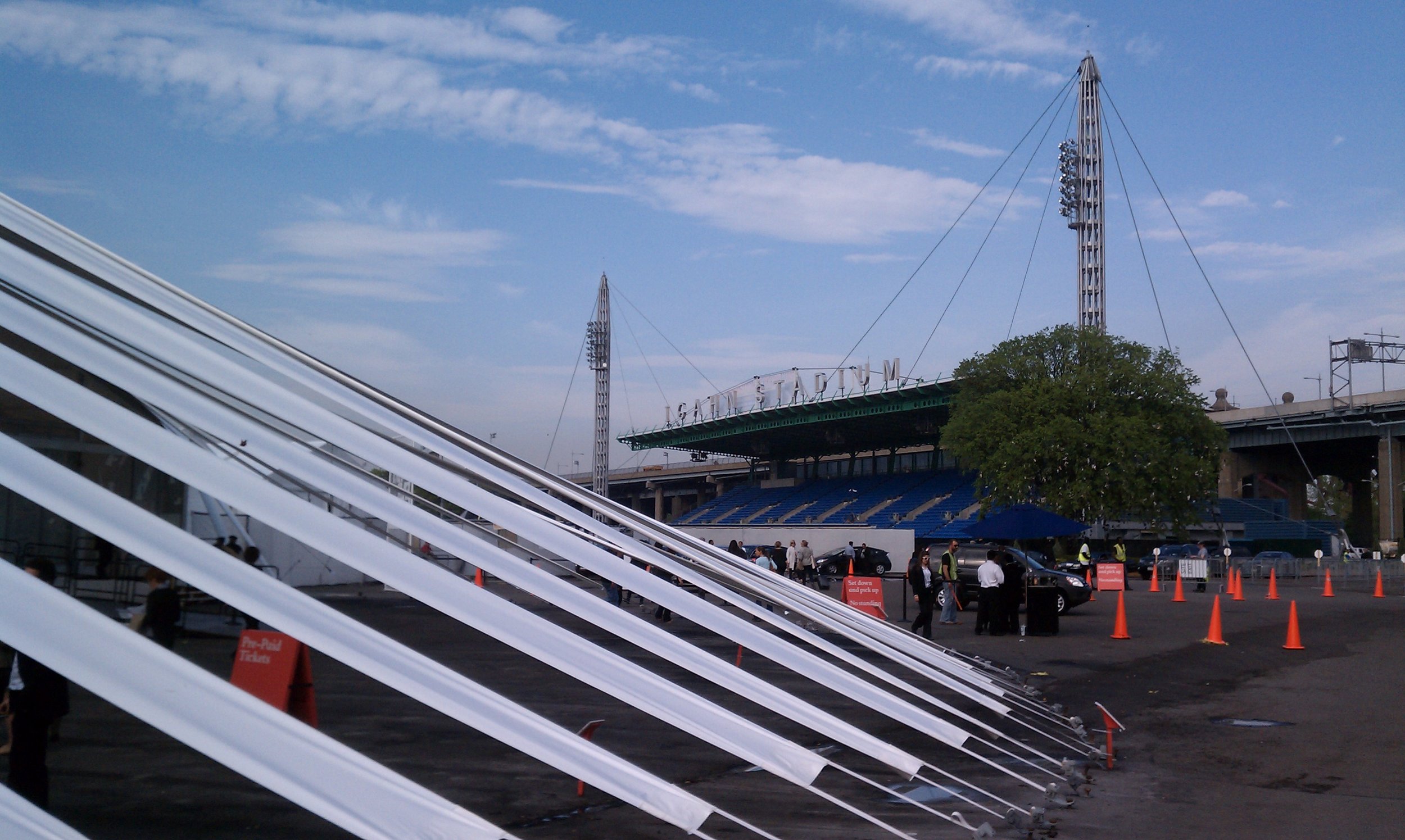
And here's the VIP south entrance to Frieze. Sure you could arrive by limo, but the food trucks are all parked where the buses and ferries come in at the other end. Inside the fair there's also hipster-than-thou food options like pizza from Roberta's. Getting to Frieze (and talking about getting to Frieze) is part of the experience. The water taxi is a treat, but the buses that leave from the 125th Street 4-5-6 Subway station are even more convenient.

On view through Monday, Frieze plays it cool as the competition overheats.
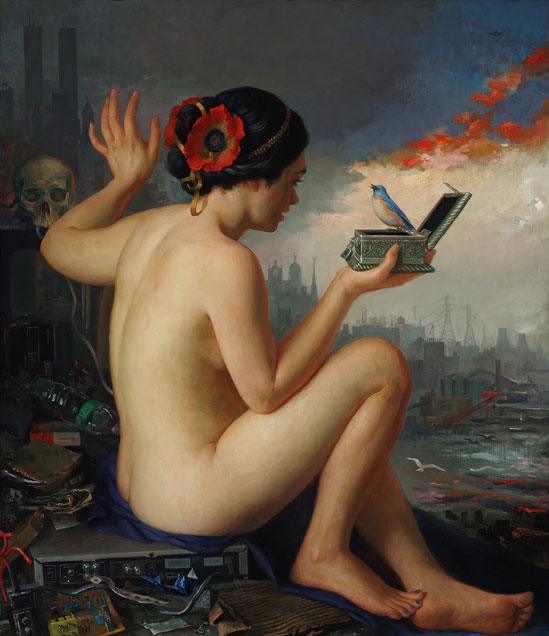
Painting Outside the Box

Watwood

Patricia Watwood, Pandora (2011)

James writes:

There's a museum's worth of must-see shows now on display on lower Fifth Avenue. Through June 9, the Forbes Gallery features "Patricia Watwood: Myths and Individuals." Watwood is a leading figure in the contemporary classical movement, and this major survey of thirty paintings and drawings from the last twelve years has come to New York from the Saint Louis University Museum of Art. Here are several show highlights. On April 30, Watwood herself came to Forbes to lead a panel discussion on "The Integrity of Craft and the Search for Meaning in contemporary figurative art." Her panelists were Sabin Howard, Peter Trippi, and Nelson Shanks.  

Across the street at the Salmagundi Club, Tim Newton, the club's chairman, has helped organize several outstanding shows that fill out three floors of this historic building. The shows are all open to the public and remain on view through May 11. 

McGurl_Cairn-30x40-oil-42K

Joseph McGurl, Cairn

In the Main Gallery is the American Masters at SCNY exhibition, a group show of figurative art now in its fifth year. On May 4, the 135 works on display will be sold at a gala event to benefit the club. More here

07_51(1)

Walter Biggs, "Dunkard's Foot Washing Day," Watercolor, 1946

Downstairs past the dining room is "Our Illustrious Heritage: Salmagundi and American Illustration," with several works on loan from the collection of the Society of Illustrators and other donors. Among the highlights are works by Carl Rungius, the celebrated German-born American illustrator of wild nature. (On a visit to the American Museum of Natural History, look for Rungius's expressionistic backdrop to the Alaska Moose Diorama.)

WEB Patron layout r4(2)

Upstairs in the Patrons' Gallery is the work of the contemporary artist Sherrie McGraw (more here) who is leading a demonstration at the club on Wednesday, May 2. More of her paintings are on view in the American Masters exhibition on the main floor. 

  ASL for web 400

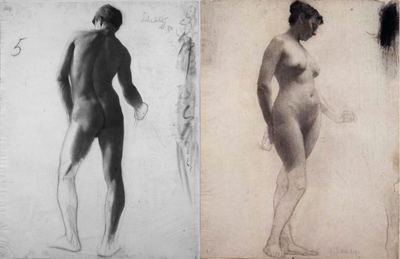
Pictured Left: Rudolph Frederick Schablitz (1884-1959), Academic drawing, 1903, charcoal on paper 29 ½ x 20 in. Pictured Right: Richard Tweedy (1876-1952), Academic drawing, c. 1895, charcoal on paper, 24 ½ x 18 ½ in.

Finally, in the library room next door, is a remarkable show of "Early Academic Drawings from the Permanent Collection of The Art Students League of New York." Life drawing, based on 20-minute poses, was the building block of classical art education and part of the ASL's core curriculum at its founding in 1875. These examples of student work, some identified, some not, from a hundred years ago, speak to the artistic skill-set once conferred through classically training. They also serve as inspiration to what today's classical painters like Patricia Watwood, in part, hope to revive.

What's New & What's True: Remembering Hilton Kramer

Hilton photo0002

Hilton Kramer, 1928-2012

THE NEW CRITERION
May 2012

What's New & What's True
by James Panero

from "Remembering Hilton Kramer: Recollections from friends and colleagues," a special section in The New Criterion

In the 1980s, growing up in the ideological confines of the Upper West Side, I first knew I liked Hilton because the people around me didn’t. Or at least they professed not to, all the while turning, first thing, to his front-page art reviews in The New York Observer. I began to suspect that they objected to what he wrote not because it was wrong, but because it was taboo. For me, nothing could have been more appealing.

Ten years ago, when Hilton helped rescue me from graduate school and an uninspiring career in academia to join The New Criterion, he was revealed as simply a truth-teller with a typewriter. For a few hours in the room next door, he happily click-clacked through the social mores and false faiths of “what’s new” to reveal what’s true. In his columns he blew the whistle on our fake avant-garde while defending its genuine heirs. Then he went out for a long lunch.

Hilton appreciated the “historical epoch” of modern art because he saw our age as being little more than its carnivalesque reflection. In his fearless essay “The Age of the Avant-Garde,” he called out those “traditional antagonists of the avant-garde”—the media, academia, and the marketplace—now in “profitable alliance” pimping the next big thing. More than that, he cared about what artists and writers actually did rather than what the culture thought they should do.

It is for this reason that Hilton became a hero to so many artists—a fact that I’ve long known but which was reinforced by the calls that came in after his passing. He gave artists license to ignore the hype. He encouraged them to follow their vision. It was the same for writers, and why his magazine has never tried to edit the voice out of its essays. There isn’t only one good way to write, just as there isn’t only one good way to paint. What matters is that our creations never compromise to what’s expected. We are, of course, a compromising species, far more apt to wonder what others will think before we think for ourselves. Hilton therefore led by example. He was the most uncompromised critic I’ve ever known.