Burrata in the Bronx

431719_10150707483536900_97661261899_11667221_183001618_n

Arthur & Crescent Avenues, Bronx in 1940

James and Dara write:

It helps to bring a grandmother to Arthur Avenue in the Belmont section of the Bronx. The real "Little Italy" of New York City is a multi-generational family affair. Girl Scouts sell cookies on the streets, the proprietors boast about how far back in the bloodlines their businesses go, and the low prices are out of another era.

This is no Italian-American toy town. Every day, a dense assembly of specialty purveyors offers up some of the highest quality meats, cheeses, breads, and pastas found anywhere in New York, even as the neighborhood has yet to make it on every foodie map (their loss). With Brooklyn getting all the culinary attention these days, now is the right time to venture up to this epicure's eden in the Bronx. 

Driving to Arthur Avenue is the easiest way to get there. We've never had a problem with street parking. The district is close to the Bronx Zoo and Fordham University, and the closest train station is the Fordham stop on Metro North, about eight blocks away.

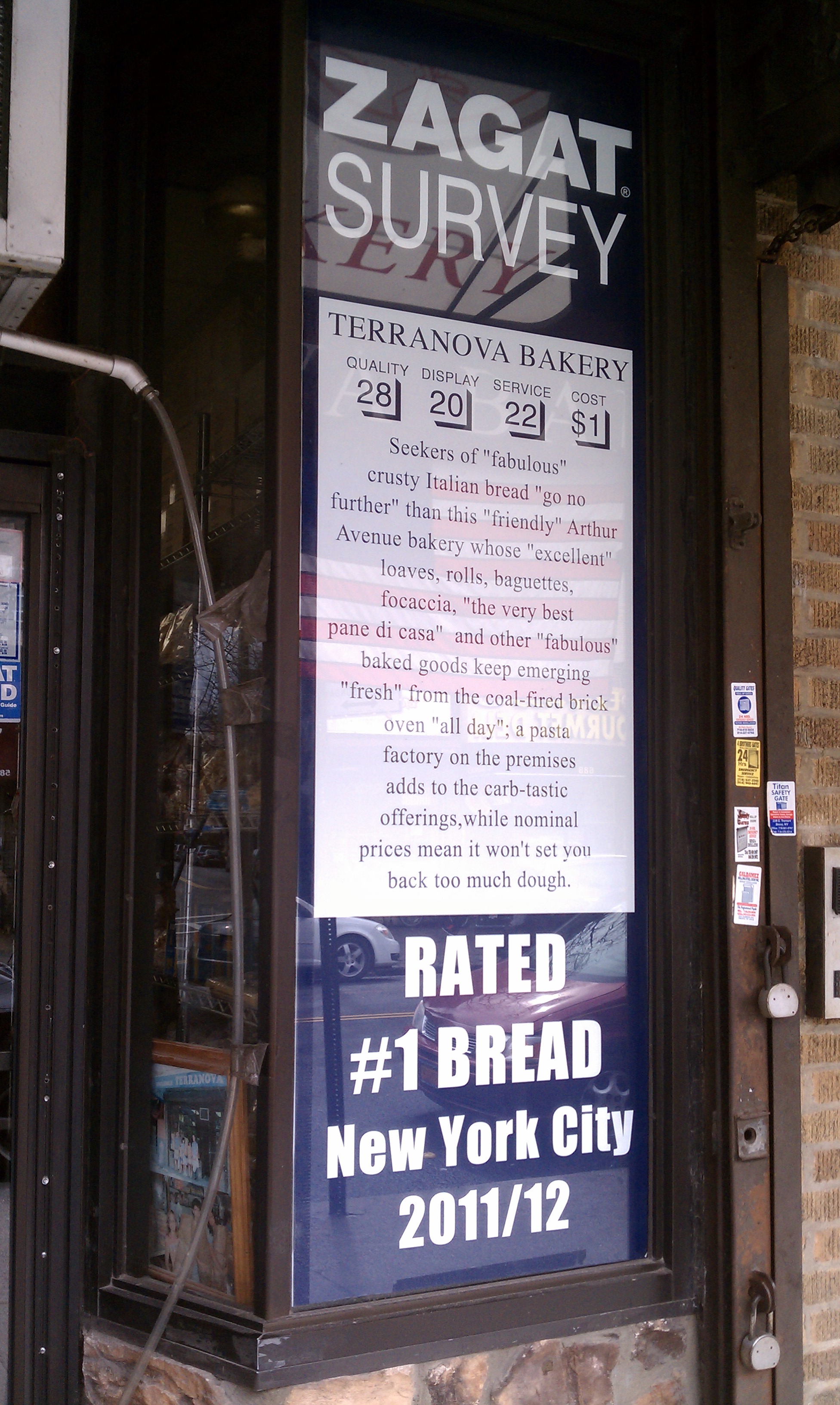
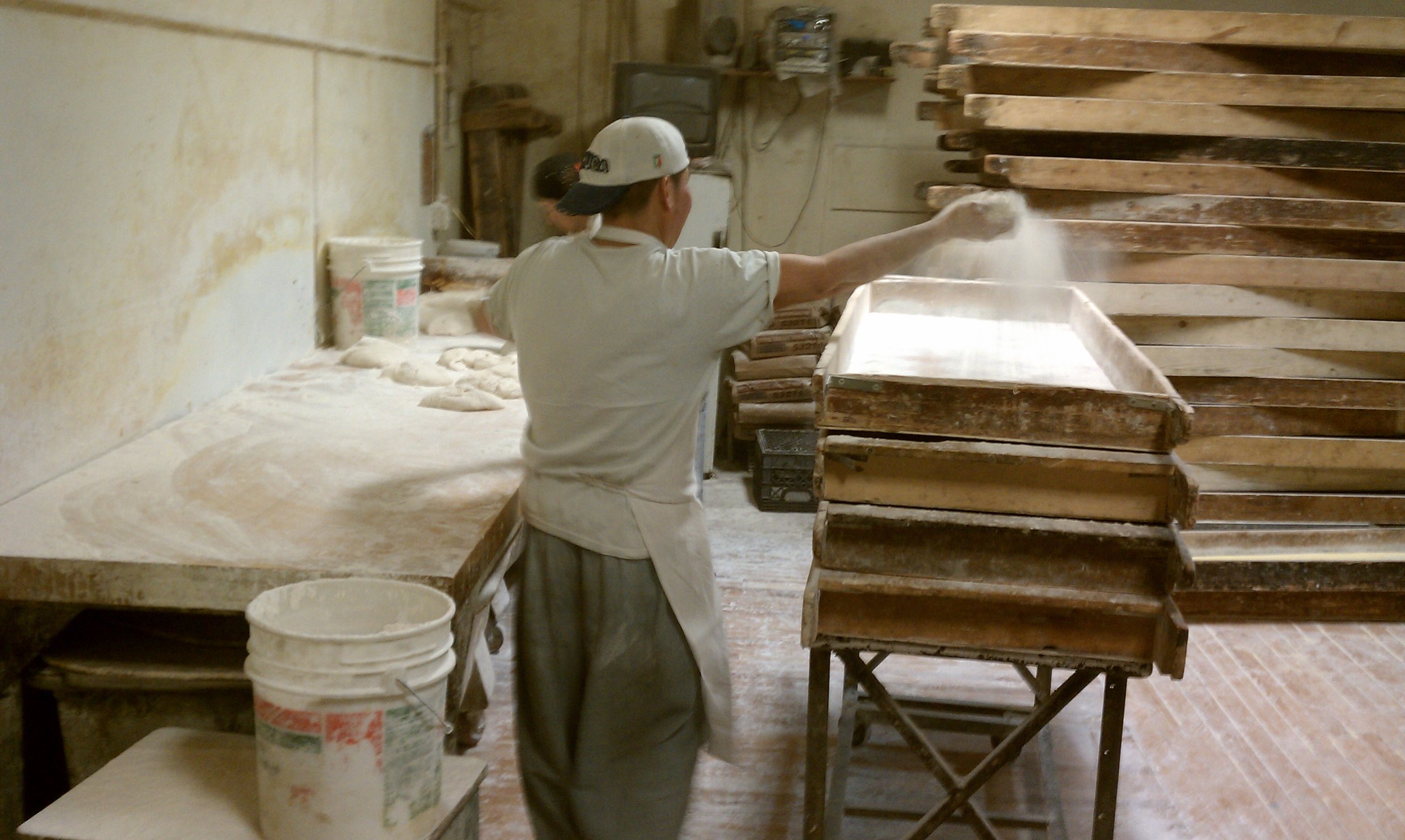
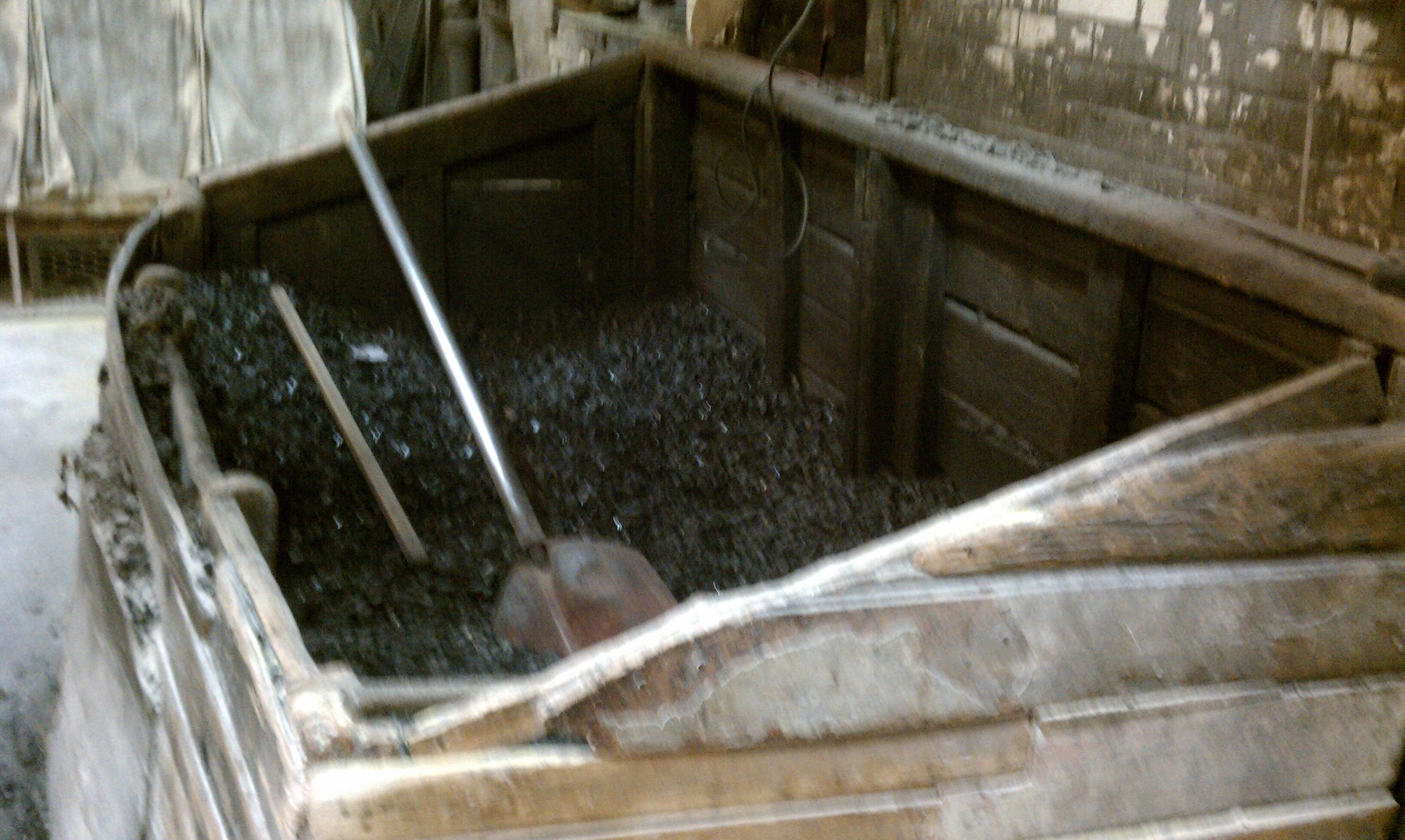
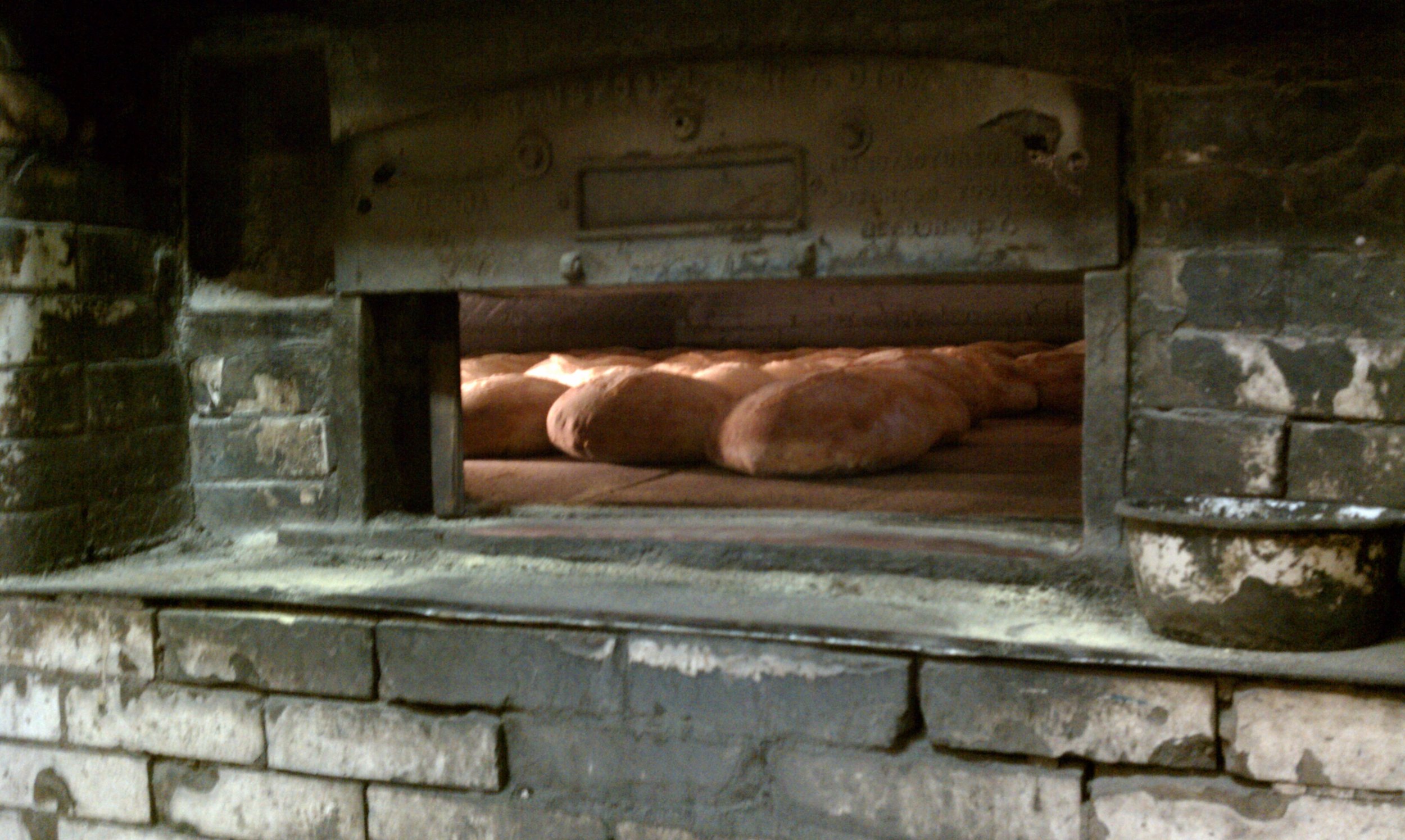
The shopping district runs in an L up Arthur Avenue to 187th Street and then heads east for several blocks. We like to start at Terranova Bakery at 691 East 187th Street. An unassuming storefront masks an original coal-fired oven, where some of the best bread in the city is baked every day and now delivered by special truck to many of Manhattan's top restaurants. The wonderful owner, Pietro, led us into the back to see the bakery in action. (All photographs below by James Panero)

IMAG0494


IMAG0493

IMAG0489


IMAG0488


IMAG0487


IMAG0486


IMAG0485


IMAG0484


IMAG0482


IMAG0481


IMAG0480

 Next up is Joe's Deli for fresh mozzarella and burrata--mozzarella filed with cream.

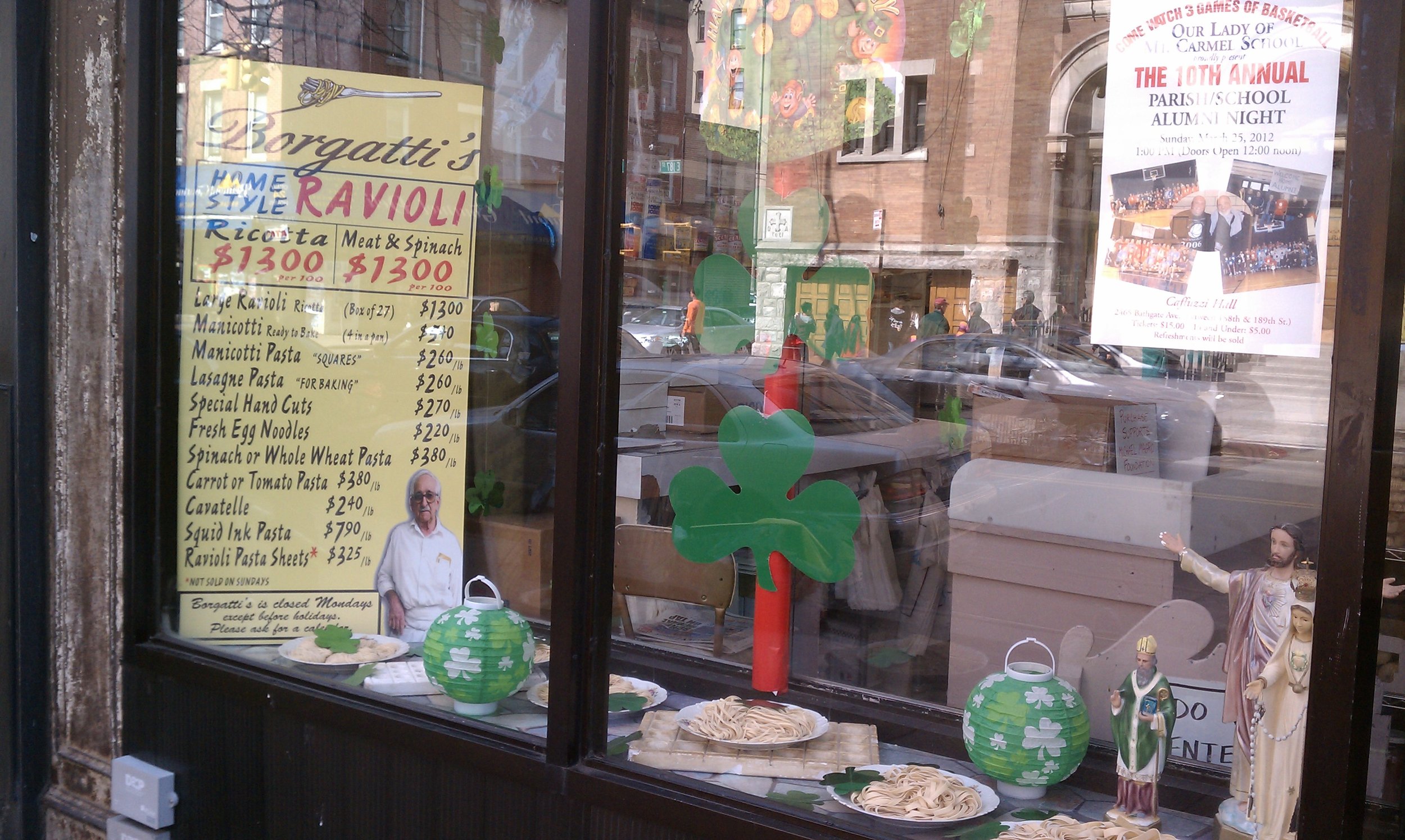
Another block west is Borgatti's Ravioli and Egg Noodles. The pasta is cut to order and the ravioli comes in sleeves wrapped in paper. 

IMAG0602

IMAG0603

IMAG0604


Above, two essential stops: Vincent's Meat Market and Teitel. At Vincent's, the aromatic broccoli rabe sausage spiraled in a circle and held together by wooden sticks is a favorite. Cosenza's Fish Market one block south sells raw oysters and clams on the street. For lunch there's Zero Otto Nove, one of chef Roberto Paciullo's three New York restaurants and named for the telephone code in his childhood home of Salerno. And for desert: can't beat the cookies at Madonia Brothers Bakery.  

Paradise in the Bronx

IMAG0696

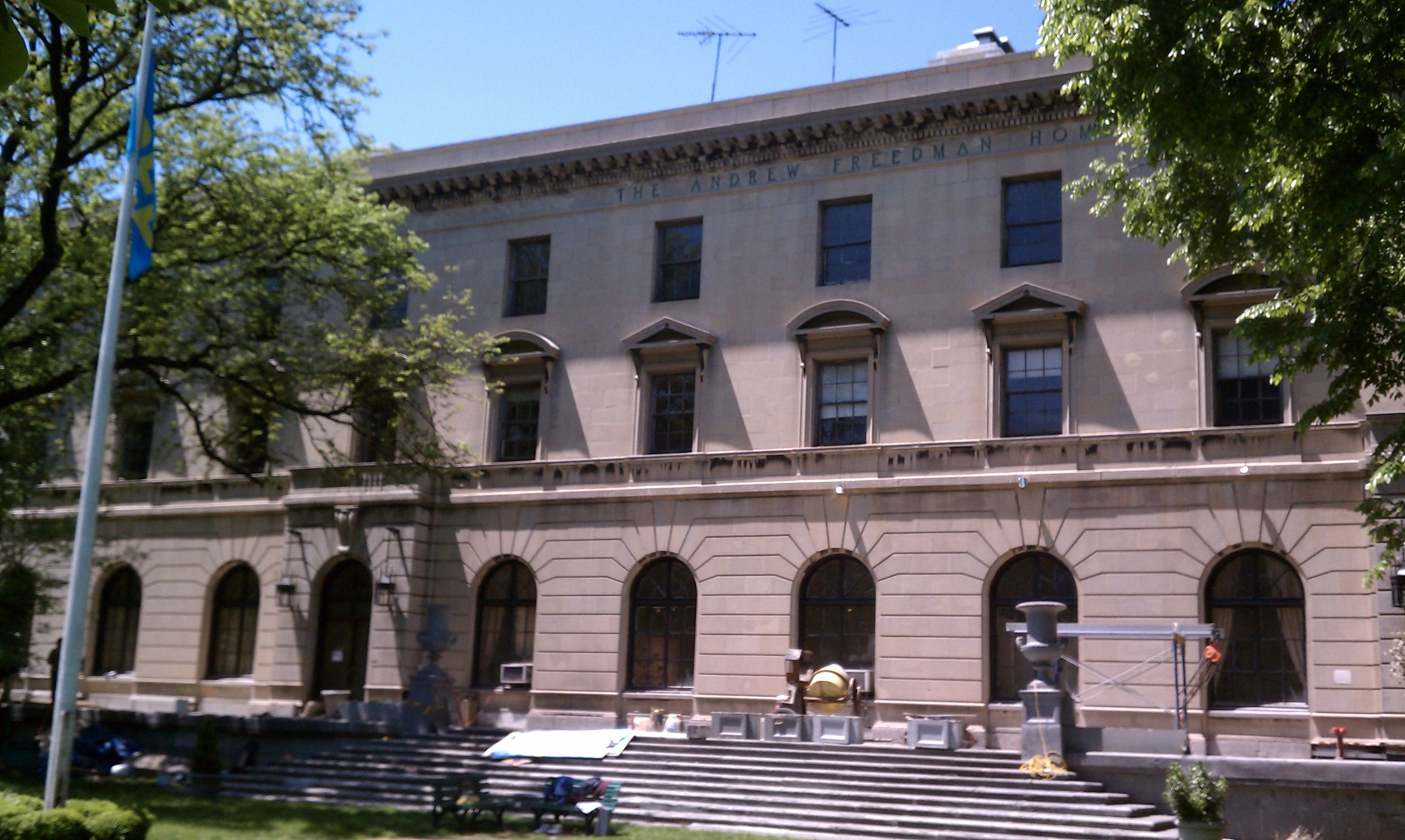
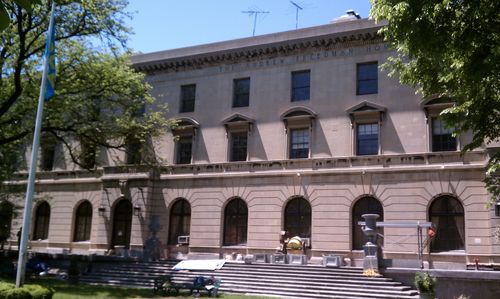
"This Side of Paradise" at The Andrew Freedman Home, 1125 Grand Concourse, Bronx, New York (all photographs by James Panero)  

James writes:

Has the periphery become the new center? It depends on where you look. In the art world, it was another month, another record price at auction, this time $120 million for a pastel version of The Scream by Edvard Munch. The news of such sales has become relentless. It’s the fine-art equivalent of the ticket-take for a summer-movie blockbuster, and it’s just as inconsequential. Despite the numbers, we all know the most interesting productions aren’t coming out of Hollywood. Same thing for art. The art scene flourishing on the margins of New York City now has a vitality you don’t see in Chelsea or the auction houses. The headlines might still focus on hammer price, but innovation, beauty, and significance are increasingly found elsewhere.

Not to suggest that great art has fled Manhattan. This month alone at the galleries, it is possible to see Frank Stella at L&M and FreedmanArt, a survey of Jean Hélion at Schroeder Romero & Shredder, Patricia Watwood at the Forbes Galleries, the drawings of Lucian Freud at Acquavella, Jan Müller at Lori Bookstein, and Giuseppe Penone at Marian Goodman.

It’s just that, now, the rippling-out of art from Manhattan to the outer boroughs has become a wave that rolls across Brooklyn, Queens, and the Bronx. I doubt there has ever been a better time to see art in New York’s once marginal neighborhoods. The return of law and order has been matched by a cultural restoration energizing these forsaken places. At its best, art weaves itself into the local fabric by engaging the culture of the neighborhoods it touches.

With a rich past darkened by decades of decline, the Bronx now seems especially bright. Frankly, I never would have guessed I’d find myself in this borough so often. But beyond the Bronx Zoo and the New York Botanical Garden, both treasures, and the unparalleled cuisine of Arthur Avenue, several recent art exhibitions have made the Bronx a must-see. It seems only fitting that the Bronx Museum of the Arts was recently chosen to represent the United States at the 2013 Venice Biennale; whatever its chosen artist, Sarah Sze, ends up creating at the Giardini, it will bring new recognition to this borough and will certainly be an improvement over what Allora and Calzadilla and the Indianapolis Museum of Art did there a year ago.

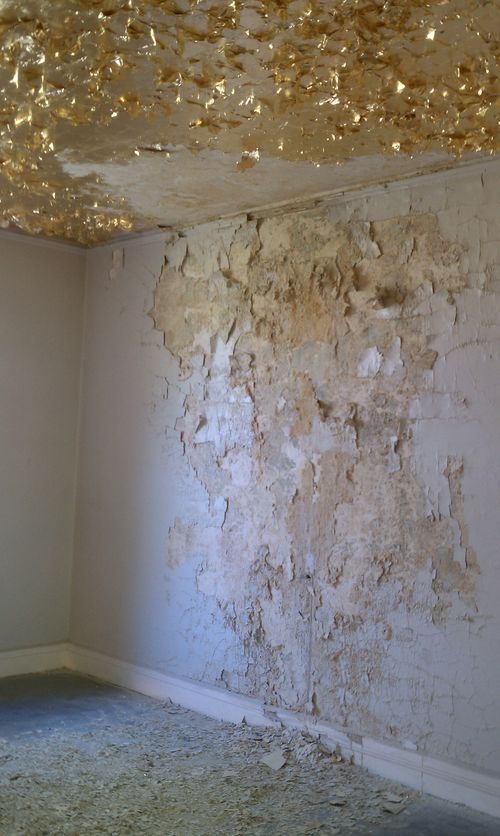
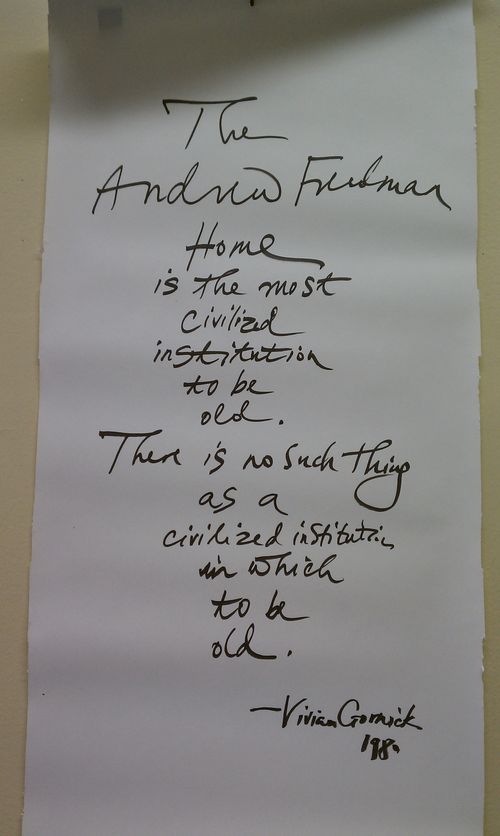
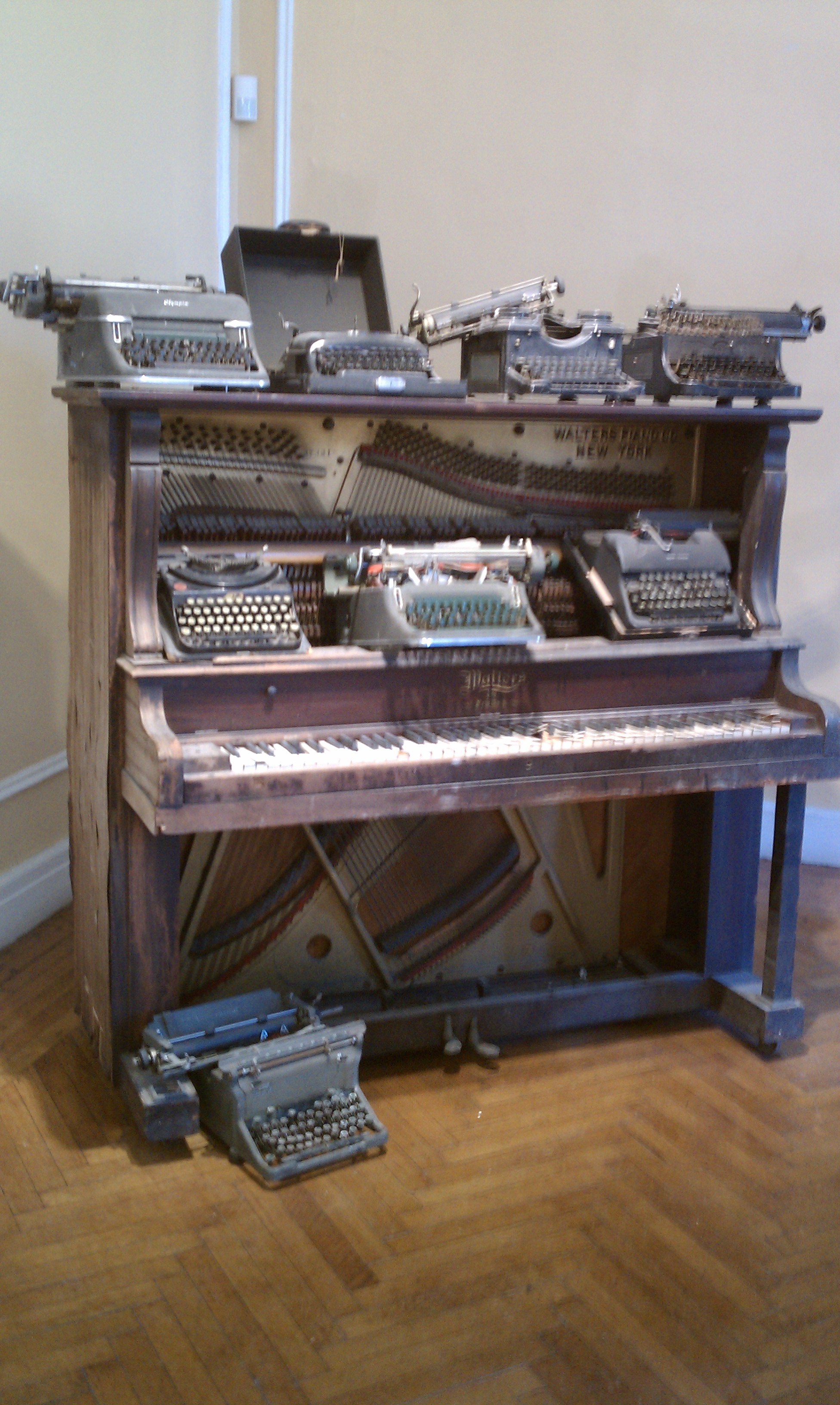
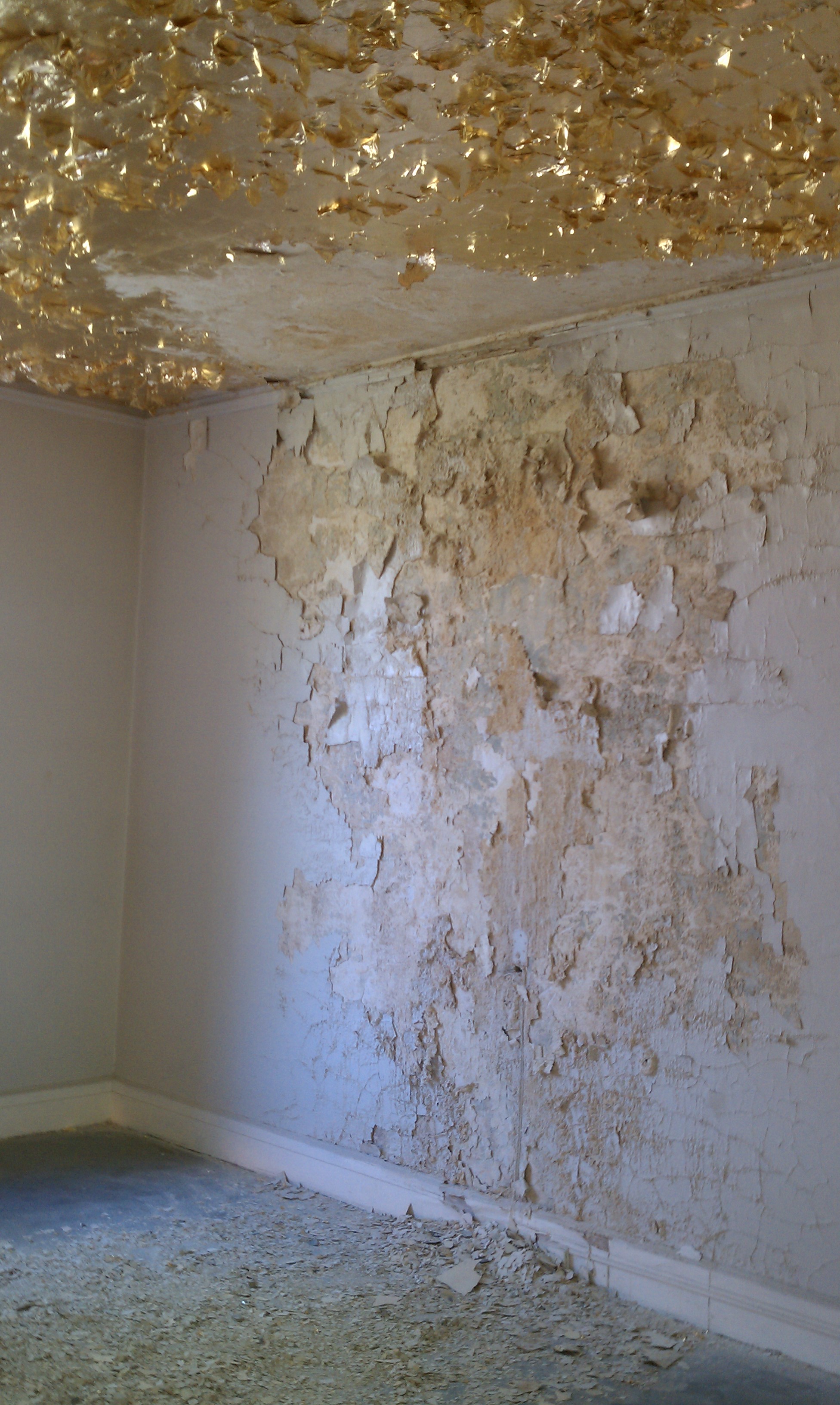
For the past two months, the highlight of art in the Bronx has been an exhibition called “This Side of Paradise.” The show was produced by an enterprising young non-profit called No Longer Empty, a cross between an arts organization and an urban policy project that creates site-specific art installations in unconventional urban spaces. “This Side of Paradise” is its most ambitious project to date and makes brilliant use of its unique venue, the Andrew Freedman Home. A four-story limestone estate, the facility was built in the 1920s along the Grand Concourse, the Champs-Élysées of the Bronx, to serve as a retirement home for people who had lost their fortunes. For decades it supported 130 or so elderly residents, but by the 1960s the home was running through its endowment just as the neighborhood was losing its middle-class population. Eventually its upper floors were abandoned. Even as it received landmark status, the building became a ruined reminder of the Bronx’s fading grandeur.

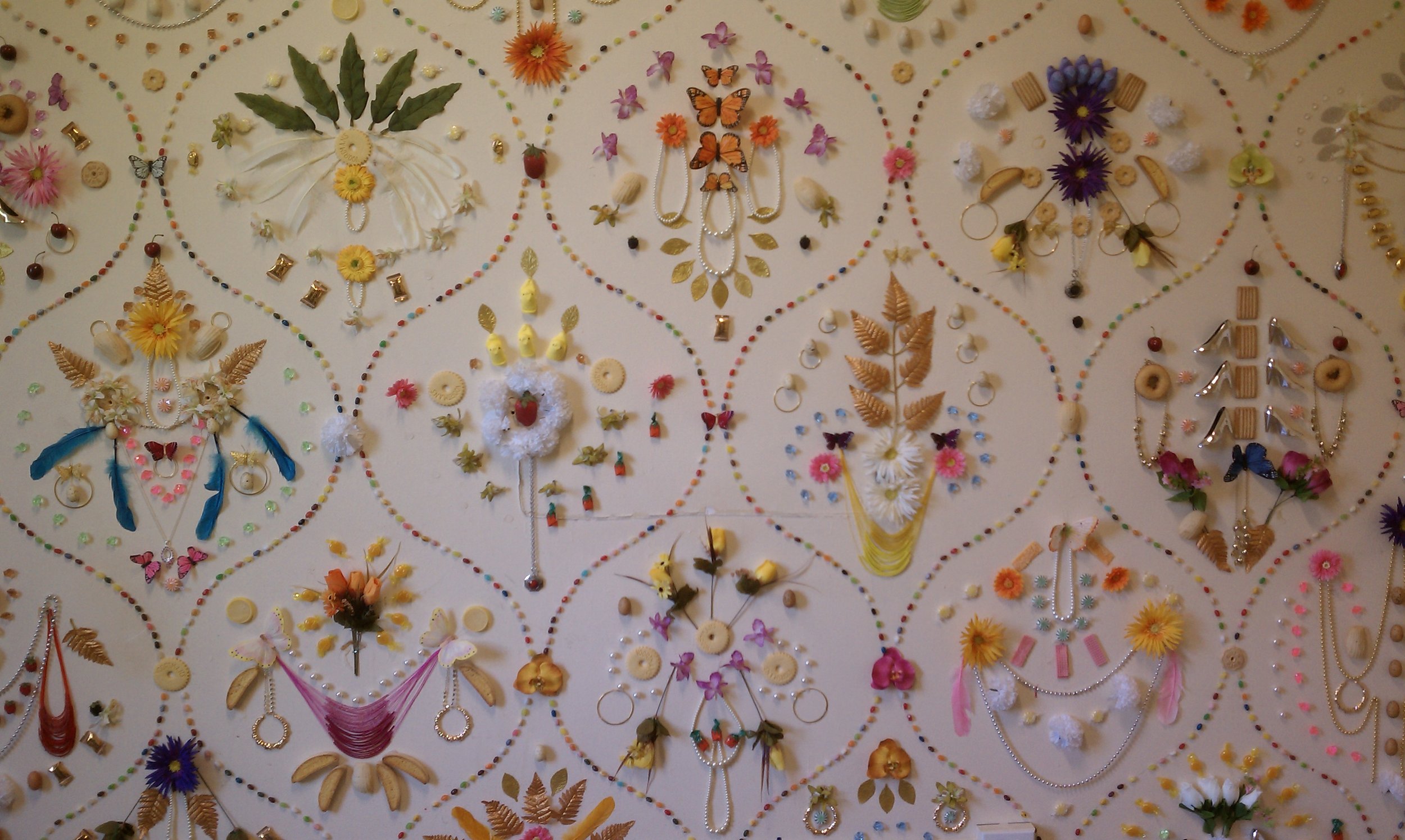
No Longer Empty cleaned up the first two floors of the Andrew Freedman Home, opened them up free to the public, and installed a thematic group show in the ballroom, library, kitchen, and resident rooms with art that aims to reflect the culture of the Bronx. The show has become something of a omnium-gatherum for the arts organizations of the borough, incorporating the Bronx Museum, the Bronx River Art Center, Casita Maria, the Bronx Documentary Center, the Bronx Children’s Museum, The Point, the Derfner Judaica Museum, and Wave Hill, among others, to guide and support various parts of this sprawling survey.

Even though the artistic quality varies, the overall effect is inspiring. Just as the Andrew Freedman Home once gave value to its residents, “This Side of Paradise” finds beauty in the home’s age and the building’s survival against the odds. The show brings together art that connects a lost culture, past and present, while for the most part avoiding didacticism and a fetish for decay.

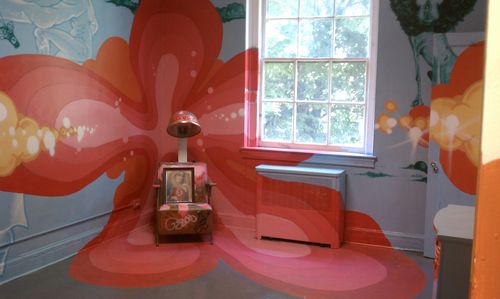
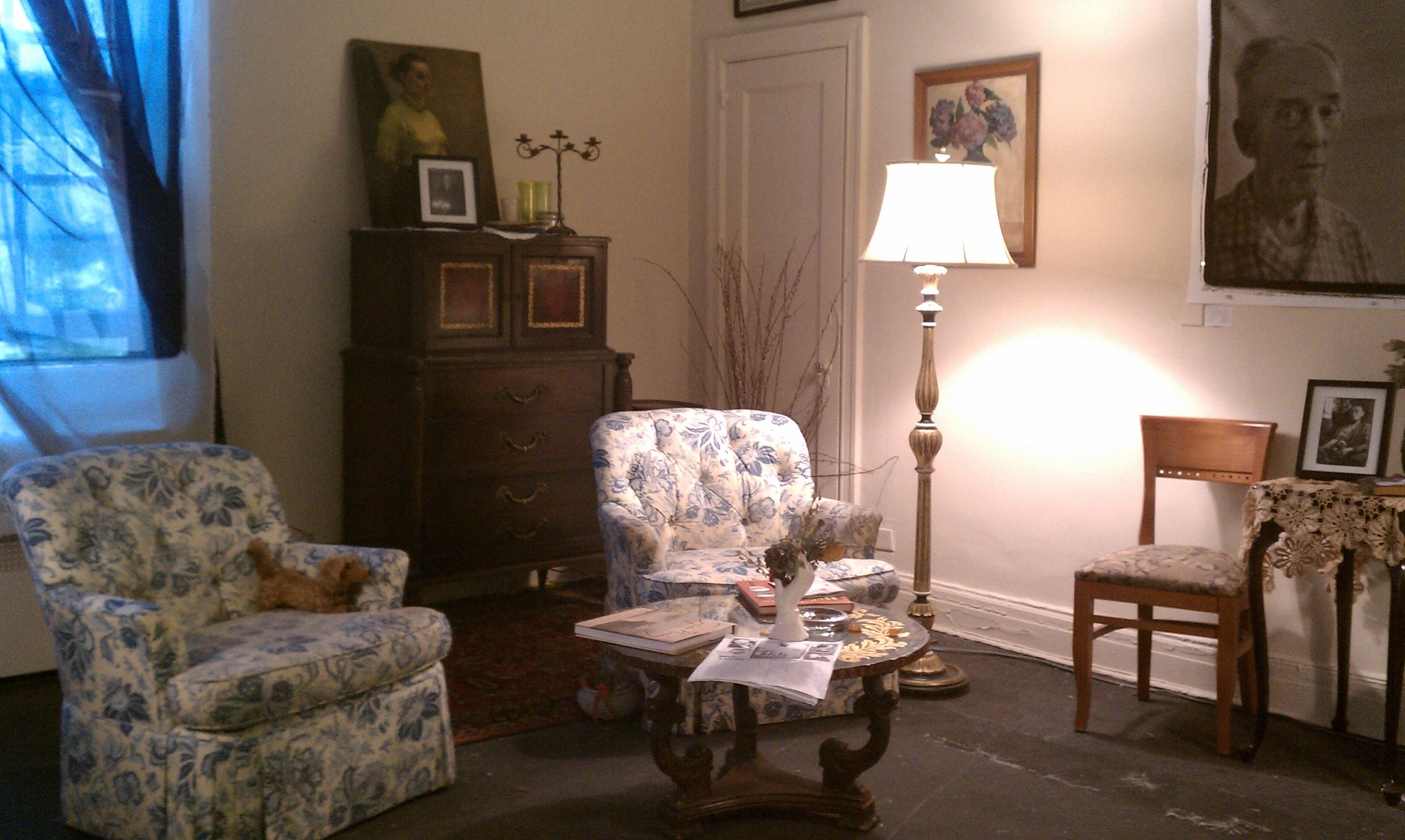
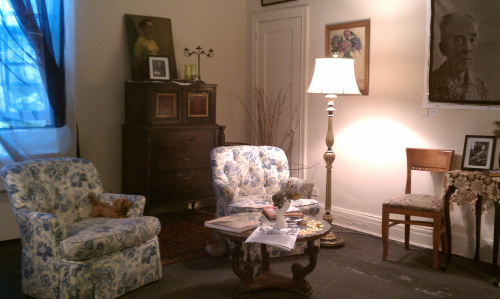
Of the many different styles and approaches on display, the most resonant is A Sitting Room: Remembering a Week in January (2012) by Sylvia Plachy. In 1980, Plachy came to photograph what would be some of the last residents of the Andrew Freedman Home while on assignment for The Village Voice. Her photos illustrated an article by Vivian Gornick. Now in Room 246, Plachy recreates the arrangement of objects she photographed, decorating the room with antique furniture, turning on an old phonograph, and printing a few spectral images of the former occupants on the walls and a billowing window curtain. Plachy says she was “drawn to the gentility of the residents” and wanted to pay “homage to those who once lived here.” It’s a sentiment that perfectly encapsulates the touching beauty of this exhibition.
IMAG0708

Sylvia Plachy, A Sitting Room: Remembering a Week in January (2012) 
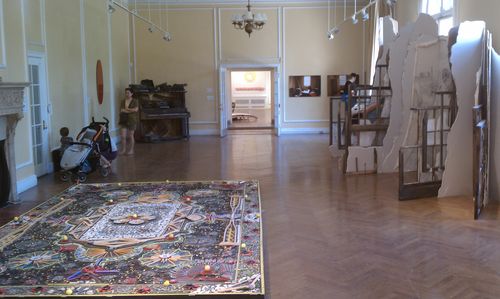
 

IMAG0697

The Princess Ballroom at "This Side of Paradise"
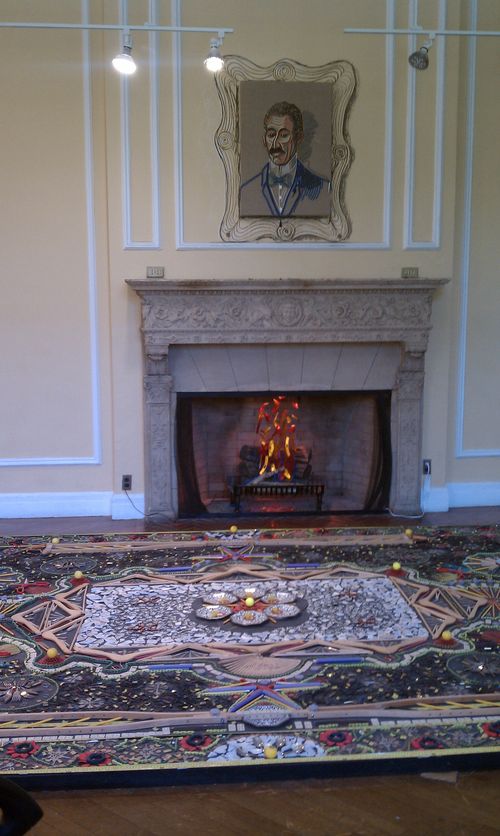
 

IMAG0699

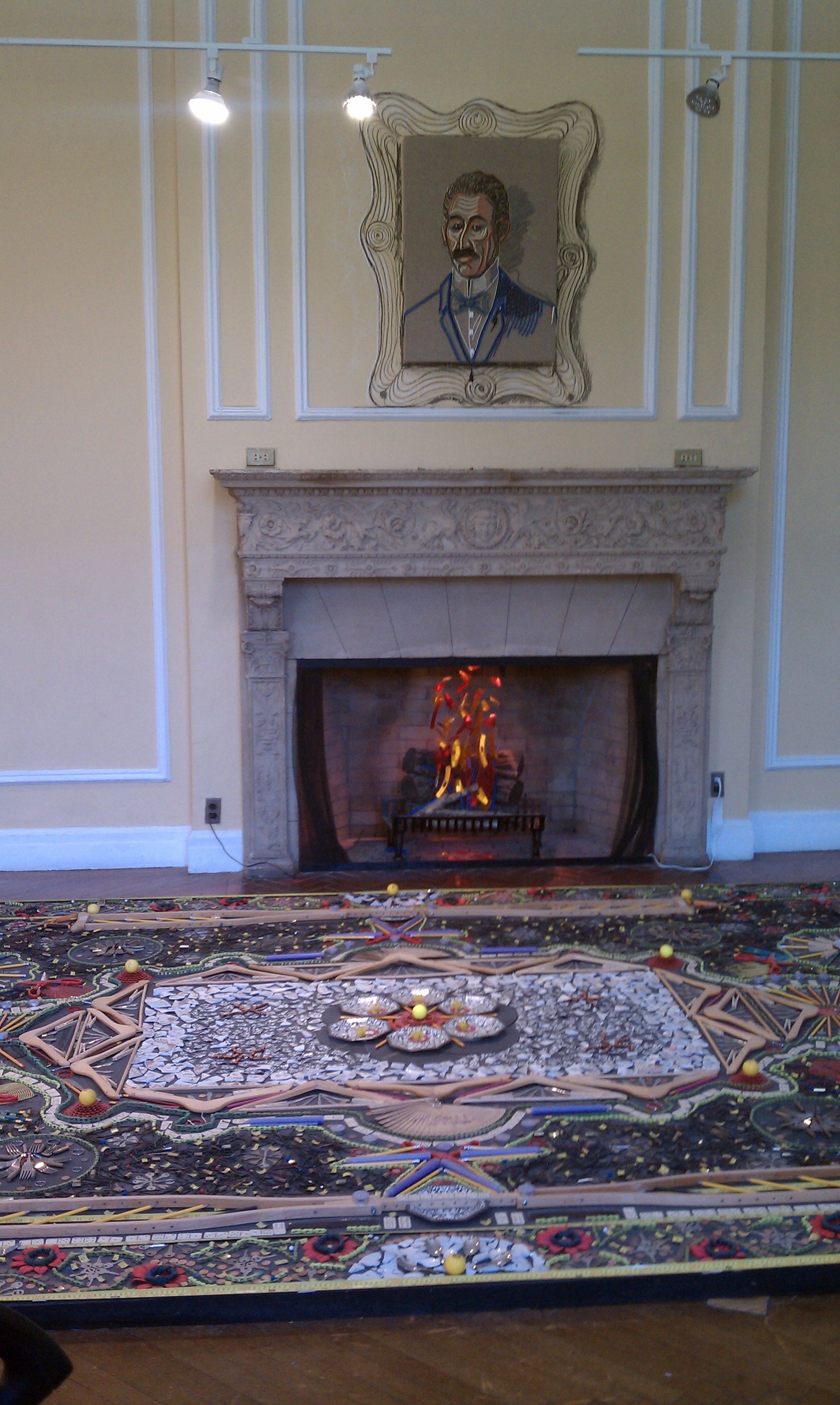
Federico Uribe, Portrait of Andrew Freedman (2012) and Persian Carpet (2012)
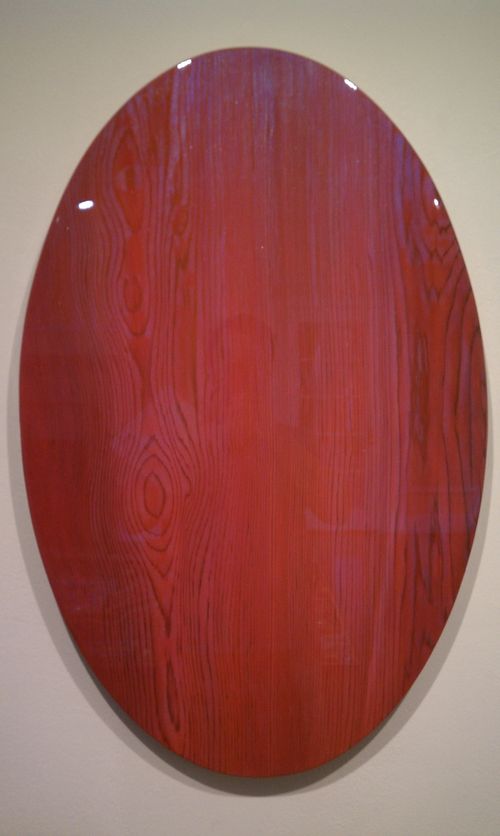
 

IMAG0698
Justen Ladda, Three Eyed Red Mirror (22in x 34in, 2012), mixed media on red cedar wood, in the Princess Ballroom 
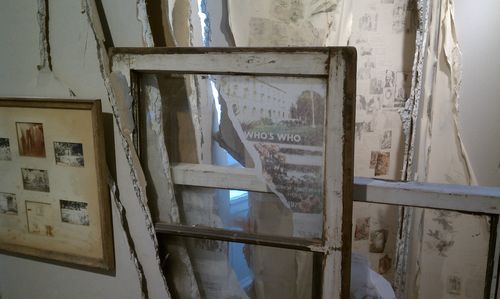
 

IMAG0700

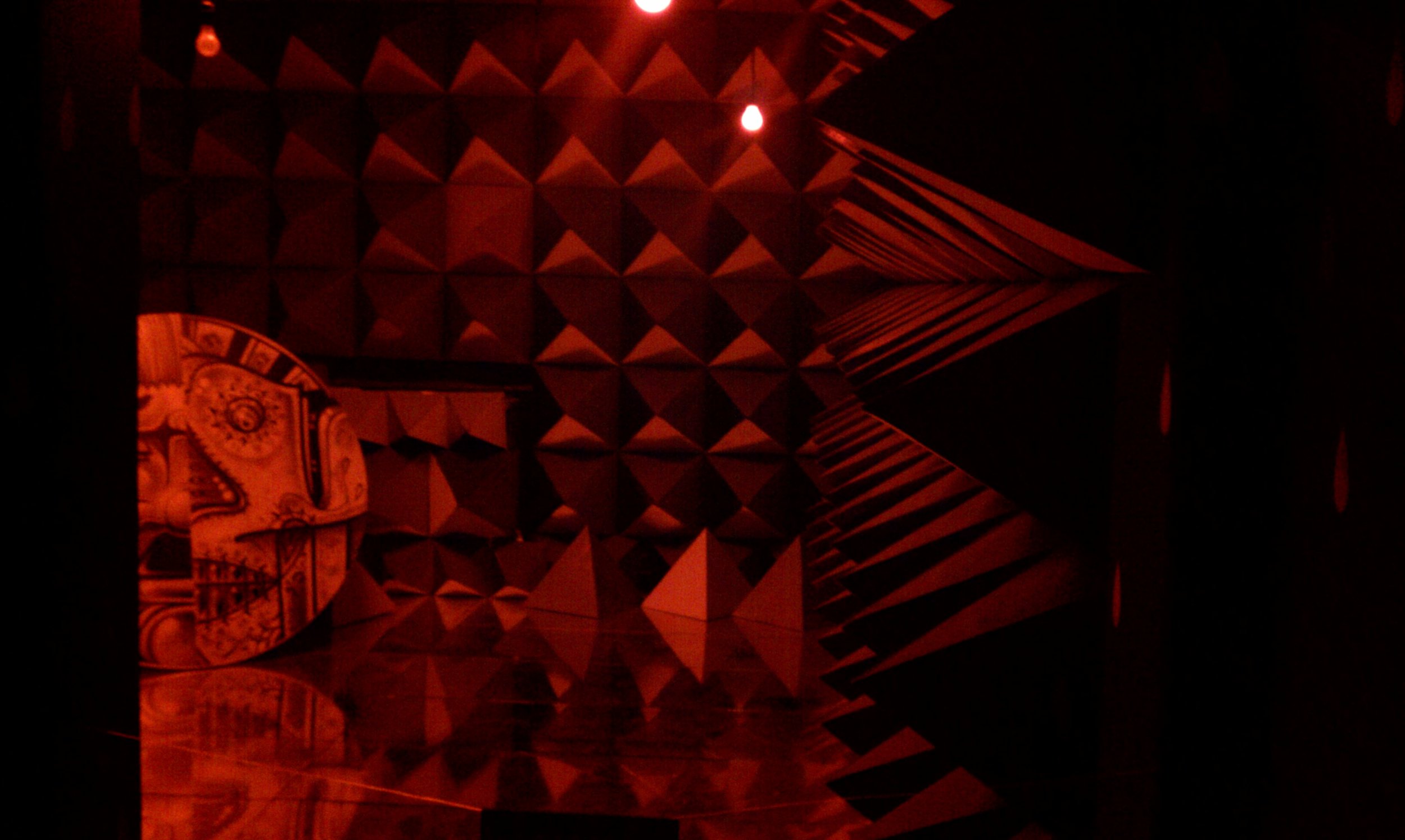
Linda Cunningham, Paradise Lost/ Regained? Utopia to Survival (2012) 
 

IMAG0701

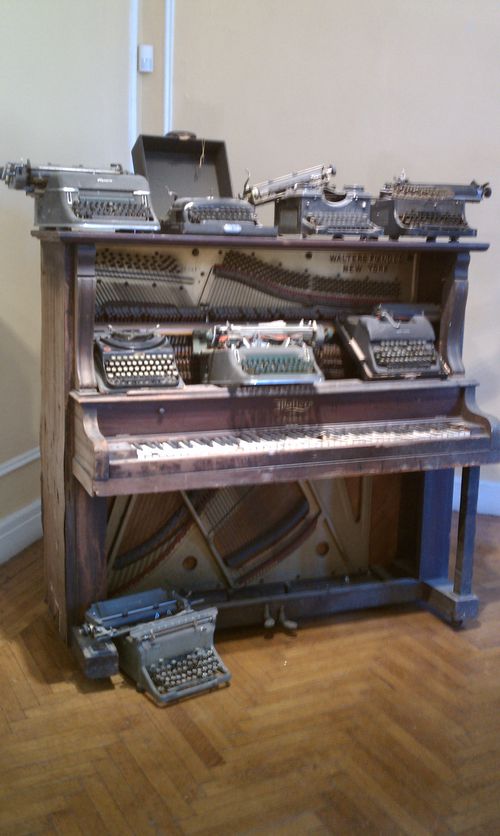
Nicky Enright, The Ravages (2012) 


IMAG0702

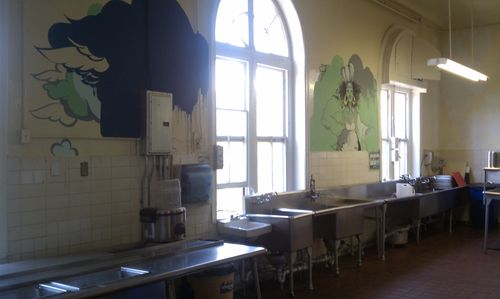
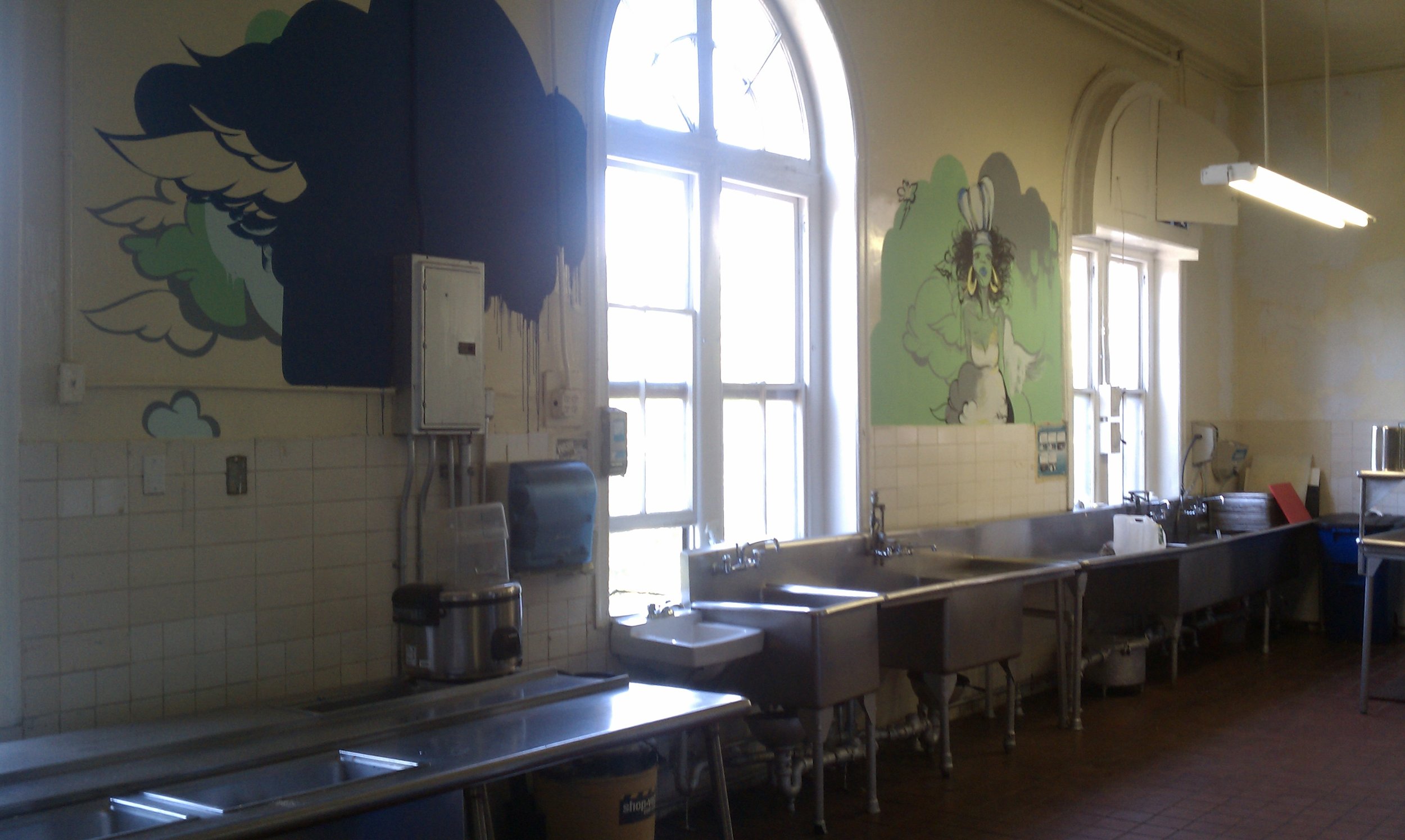
Sofia Maldonado, La Cocina (2012), site specific murals in the Kitchen.
 

IMAG0703

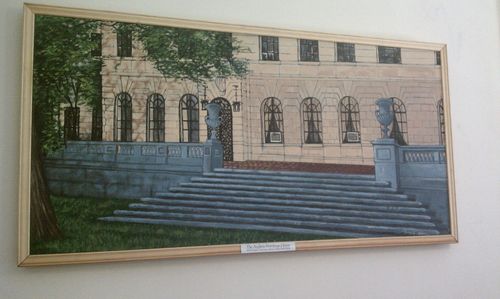
Portrait of the Andrew Freedman Home


IMAG0704

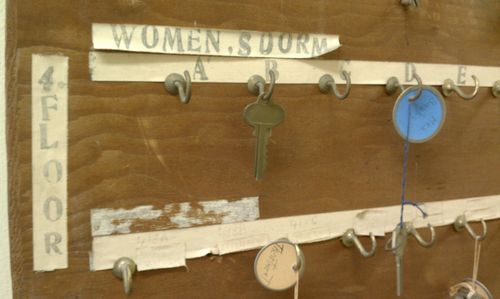
Key hooks discovered and rehung in The Andrew Freedman Home    
 

IMAG0705

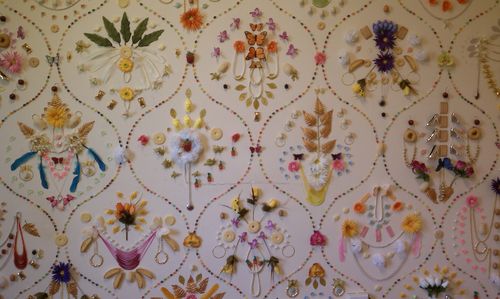
Adam Parker Smith, I Lost All My Money in the Great Depression and all I Got Was This Room (2012, presented by Wave Hill)
 

IMAG0706

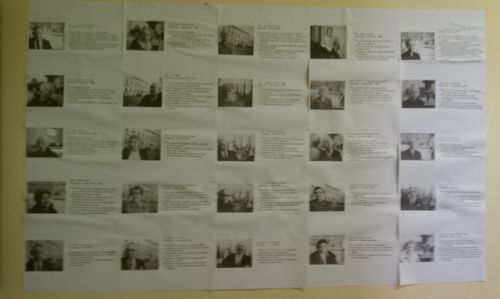
Images from the directory of former residents of The Andrew Freedman Home
 

IMAG0709

HOW and NOSM, Recording Room (2012)


IMAG0710

Cheryl Pope, Then and There (2012) 

IMAG0711

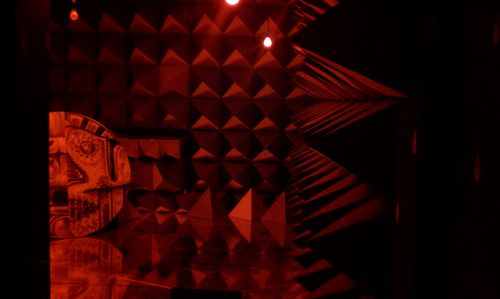
Daze, Furthur (2012) 


IMAG0712


--adapted from "Gallery Chronicle," The New Criterion, June 2012. 

The New Barnes: Everything is Better Illuminated

James writes:

This week The Barnes Foundation opens the doors to its singular collection in a new purpose-built facility on the Benjamin Franklin Parkway in downtown Philadelphia. The inauguration caps a decades-long battle over "donor intent" and the indenture of trust of Dr. Albert C. Barnes. The wholesale relocation of the collection from Dr. Barnes's original campus in Merion to downtown Philly has been the subject of several books--most notably Art Held Hostage by John Anderson--and a popular documentary called The Art of the Steal.

No museum opening has therefore been more anticipated and (by many) loathed than the new Barnes. Here's ArtFagCity's article on "Why People are Upset" (thanks for the quotes, Whitney!). On Wednesday, the Barnes Foundation finally revealed its new building to the press.  


Barnes_foundation_in_Pennsylvania_520_320_c1_center_top

Here is the original Barnes Foundation building designed by Paul Philippe Cret

IMAG0736

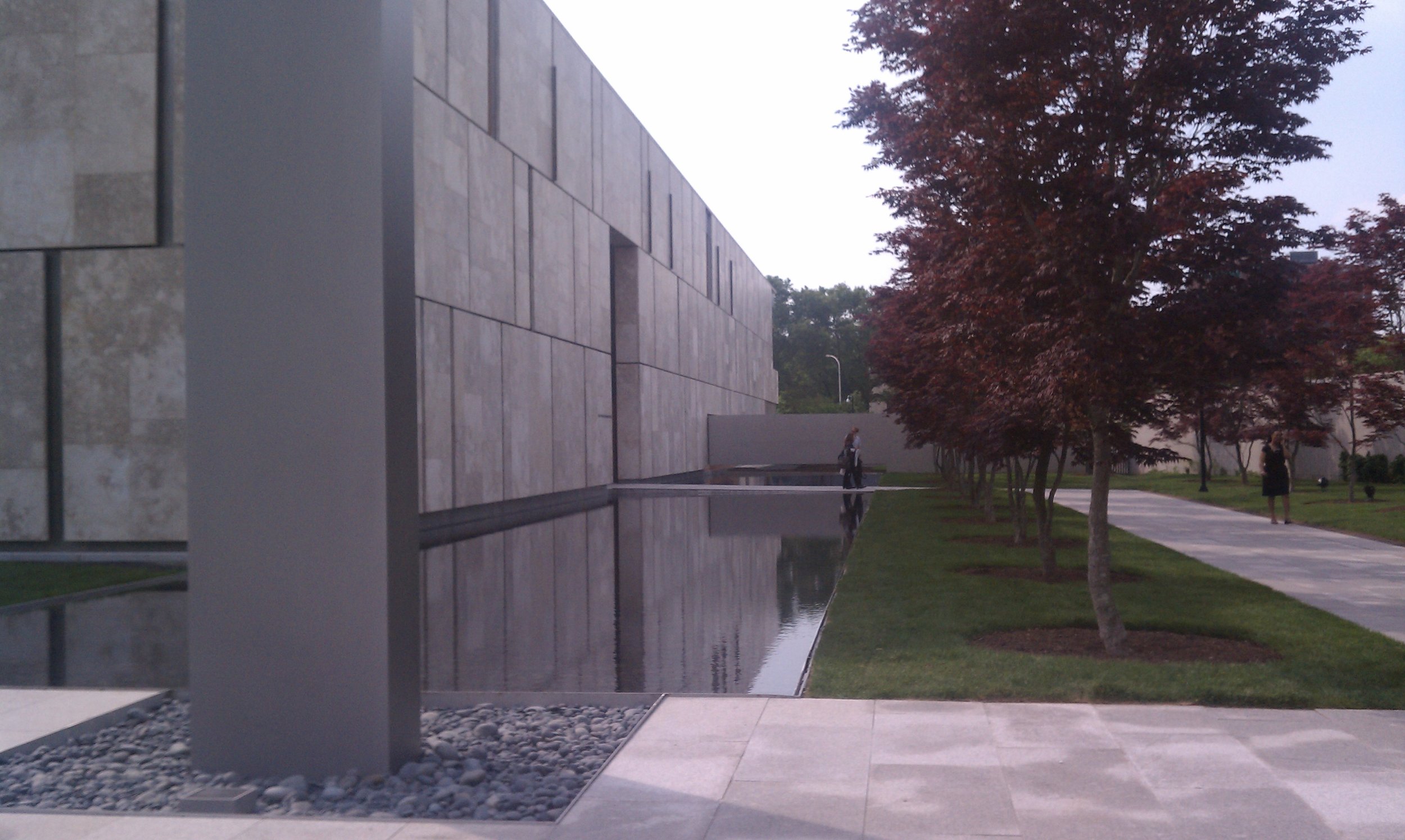
And here is the new Barnes designed by Tod Williams Billie Tsien Architects (all photographs by James Panero)

By basing an argument on "access" and constructing a much larger building than the original Cret design--complete with auditorium, restaurants, lounges, and LEED environmental certification--the new Barnes follows many of the trends I warned against in my article "What's a Museum?"

At the same time, my analysis of The Barnes Foundation for Philanthropy Magazine revealed that Dr. Barnes's rigid indenture was inherently brittle and bound to break in the decades after his death. So if his original intent could not be maintained, what was the best outcome for his collection?    

IMAG0715

The Friends of the Barnes led the legal campaign to prevent the move. 


IMAG0714

The stars of "The Art of the Steal" protest outside the Barnes entrance. 


IMAG0716

Rocky once broke an indenture of trust in a 10th round knockout. RIP donor intent!


IMAG0719

I don't think we're in Merion anymore, Fidèle-de-Port-Manech: Here is the entrance to the new Barnes. 


IMAG0723

At the preview I joined Michael J. Lewis, whom I've assigned to write about the Barnes for the June issue of The New Criterion. Derek Gillman, executive director and president of The Barnes, kicked off the proceedings. Also up: Stephen Harmelin, treasurer of The Barnes, who said the move was a "lonely decision"; and Aileen Roberts of building committee, who calls Dr. Barnes her "phantom client." Also spotted at the opening was Harvey Shipley Miller, the long-lost trustee of the Judith Rothschild Foundation. Meanwhile Bernard C. Watson, Barnes chairman, missed the press opening because he was stuck on a flight back from Florida.


IMAG0727

Like an enormous period room--a museum of a foundation--the dimensions of the Cret building and the hanging of the collection that existed there when Barnes died in 1951 has been transferred to the Philadelphia facility.


IMAG0725

But not everything is the same. The galleries now benefit from much better natural and artificial lighting. Here architect Tod Williams explains the new windows to Karen Wilkin.


IMAG0728IMAG0729

The architects pulled the new light-well out over the outdoor patio. 


IMAG0731

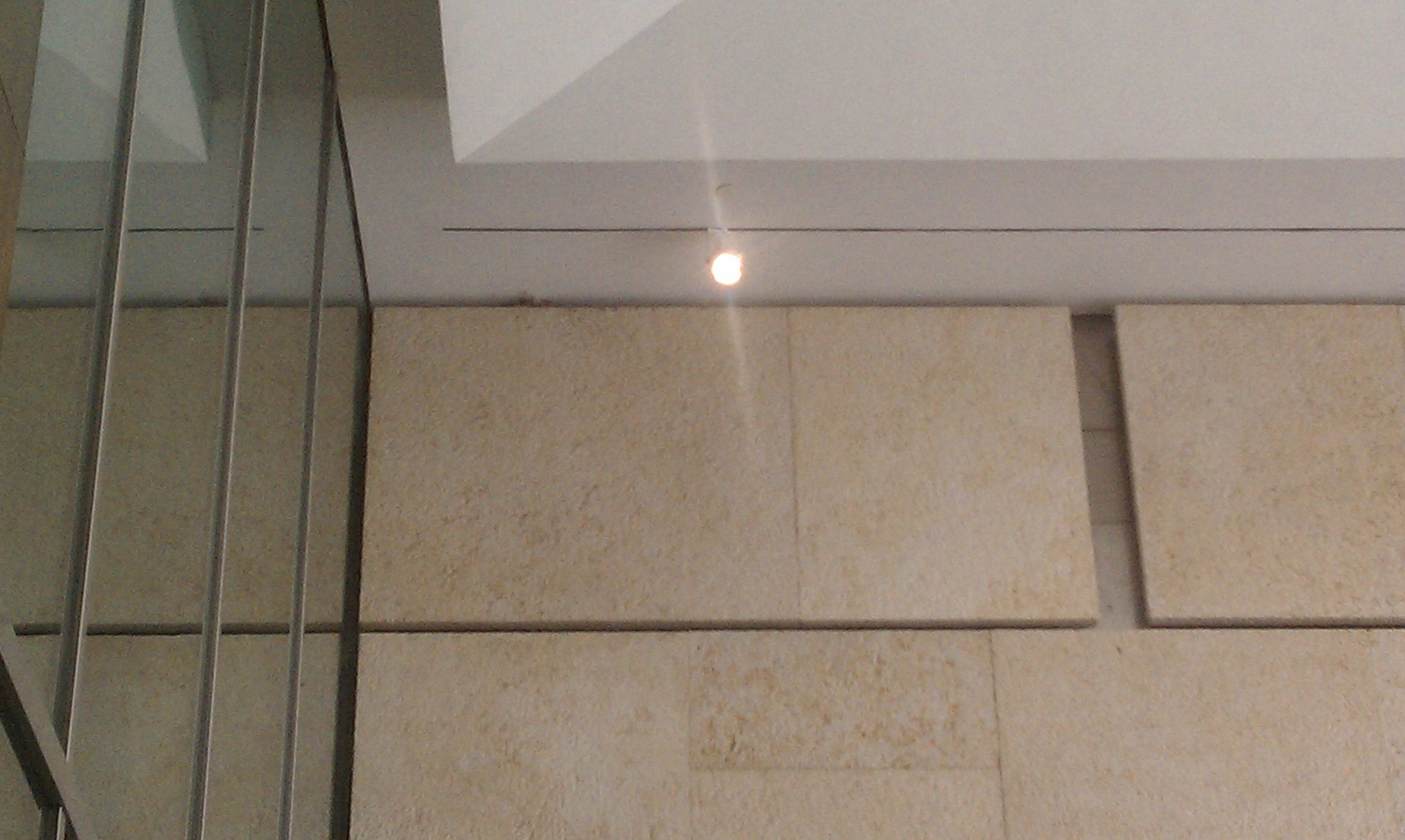
The building's finish is well articulated, but families of birds have already taken up residence in the gaps in the stonework. Shouldn't they have their own viral Twitter account by now? Representatives for the Barnes tell me they have ordered 70 rubber snakes to hide in the cracks to discourage nesting. 


IMAG0732

Wait, didn't Frank Stella invent shaped canvases? Here is Matisse's "The Dance" reinstalled in the new Barnes. (Could this image on the Barnes website be any smaller?) 


IMAG0733

One change has been to move Matisse's "Le Bonheur de vivre" from the stairwell to a dedicated alcove on the second floor. 


IMAG0735

Here's kinda where "Bonheur de vivre" would have been at the original Barnes


IMAG0734

Up close and better illumated, it's now possible to see the painting's color and details.


IMAG0737

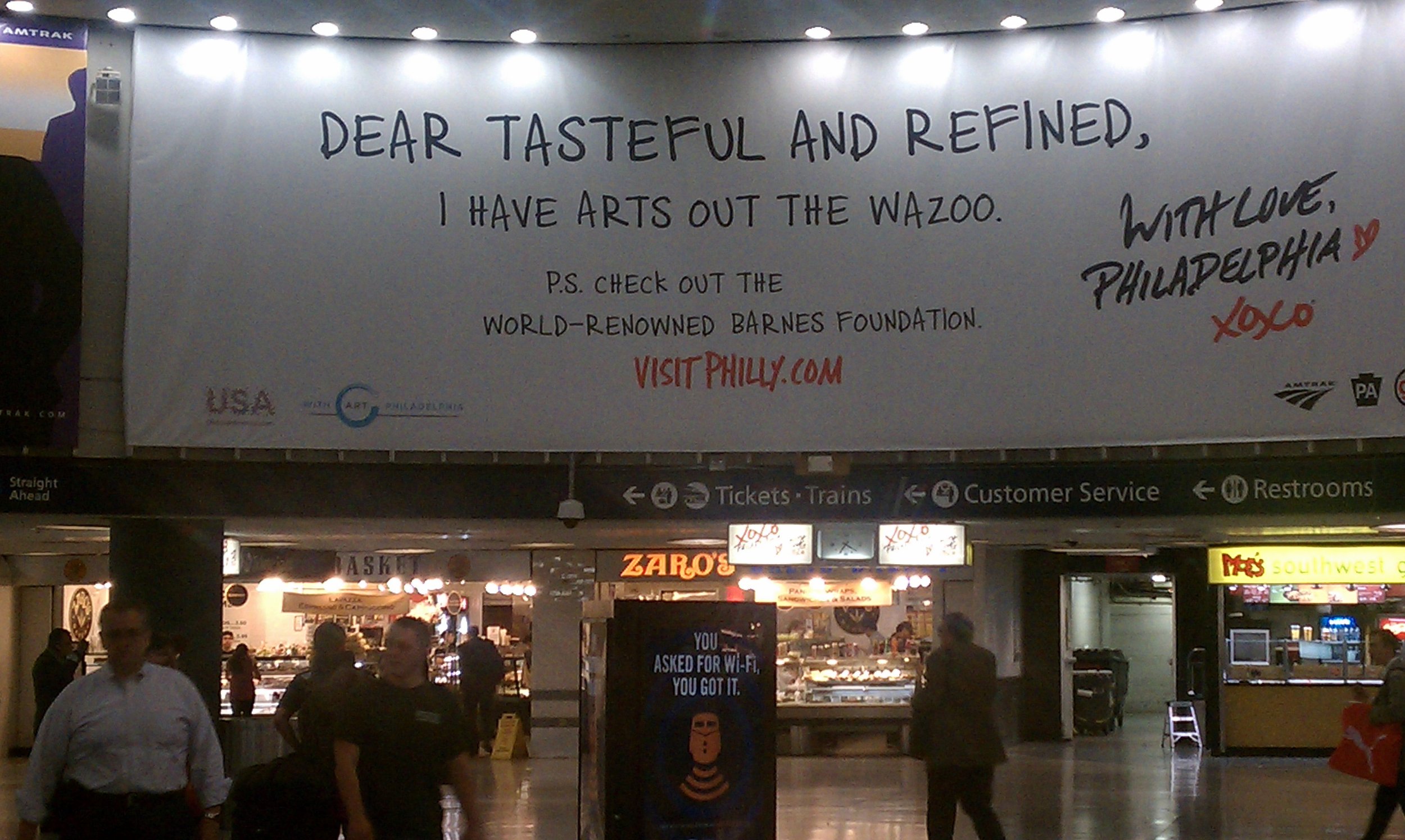
An advertisement in Penn Station reminds New Yorkers about the Barnes's proximity to Wazoo.

***

So is this The Triumph of the Broken Will?

The original Barnes was modernism's Chartres, incapable of duplication. The Merion campus had a reverential church-like aura that distinguished it from any other institution. But the new Barnes now employs a sensitive design and 80 years of updated lighting technology to illuminate a collection that, while undoubtedly disturbed, remains intact.

Only time will tell how we will come to regard the new Barnes--as an emblem of broken promises or another part of a rich cultural landscape. For now, starting on May 19, both facets are on display in downtown Philadelphia.